
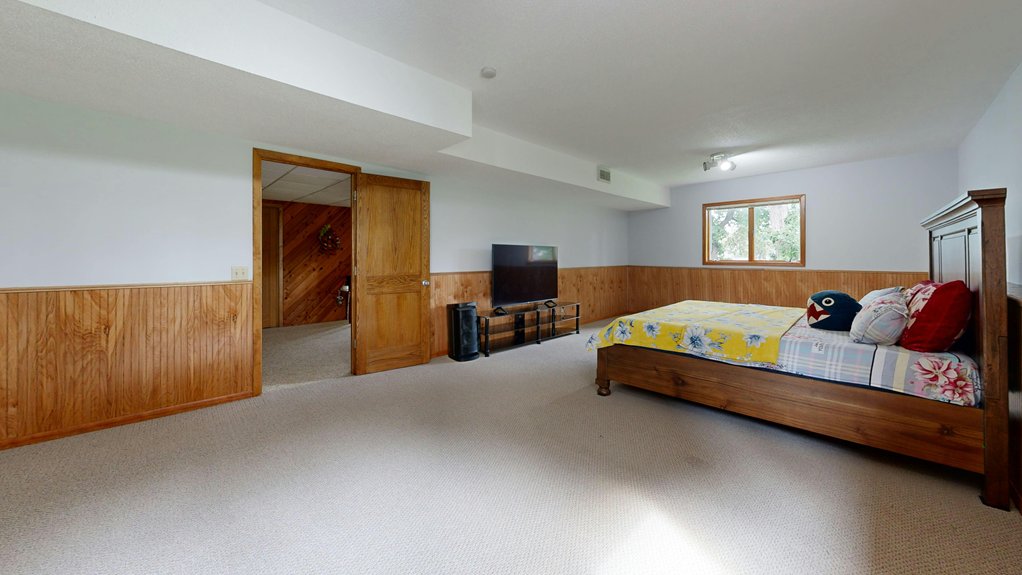
Your basement bedroom counts legally only if it has a proper egress window—that’s the deal-breaker. I’ve seen too many beautiful finished basements fail appraisals because owners missed this. You need a window with at least 5.7 square feet of opening area (9 square feet if below grade), minimum 24-inch width, 20-inch height, and sill no higher than 44 inches from the floor. Without it, you’ve got a nice bonus room, not a bedroom. The specifics get more detailed once you understand what inspectors actually check.
Do Basement Bedrooms Count Legally?
Whether yours actually counts as a legal bedroom depends entirely on your local building codes and whether the space meets specific safety requirements. I’ve seen homeowners get excited about converting their basement, only to discover their city won’t recognize it as a bedroom. The biggest requirement? A compliant egress window. You’ll need an egress window that opens at least 5.7 square feet with a minimum width of 24 inches. The sill height can’t exceed 44 inches from the floor. Without this escape route, inspectors typically classify your finished basement room as recreation space instead. It’s frustrating, I know, but these rules exist to keep you safe during emergencies.
4 Code Requirements Every Basement Bedroom Must Meet
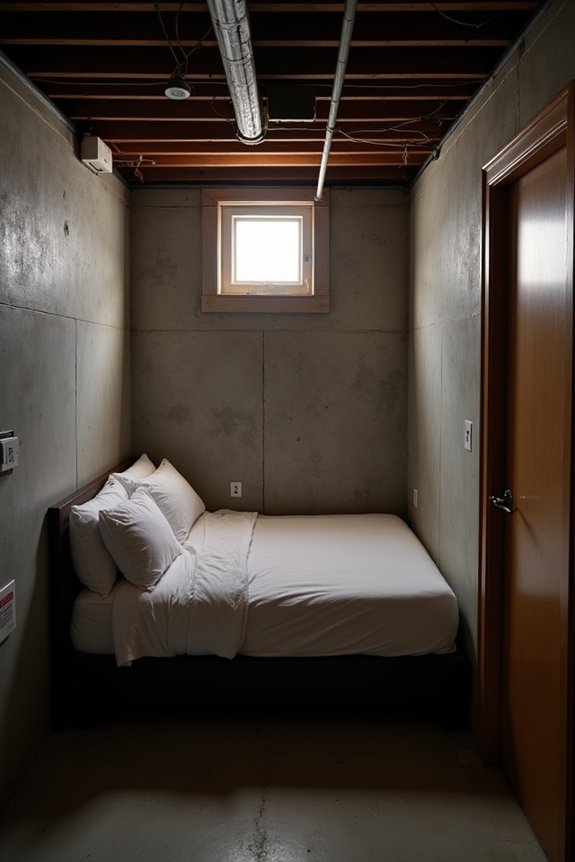
I’ve worked with enough basement projects to know that four specific code requirements separate a legal bedroom from an expensive recreation room.
First, you’ll need an egress window or exterior door for emergency escape. That opening must measure at least 5.7 square feet with a 24-inch minimum width and 20-inch height. If your sill sits below grade, you’re looking at 9 square feet instead.
| Requirement | Minimum | Details |
|---|---|---|
| Egress Opening | 5.7 sq ft | 24″ wide × 20″ tall |
| Sill Height | 44 inches | Floor to sill measurement |
| Natural Light | 1/10 floor area | Bedroom size dependent |
| Ventilation | 1/20 floor area | Fresh air exchange |
Second, keep your sill height at 44 inches maximum. Third, meet light requirements—roughly one-tenth of your floor area. Fourth, provide proper ventilation at about one-twentieth of floor space. I’ve seen projects fail because owners overlooked just one requirement.
The Egress Window: Why Your Basement Bedroom Absolutely Needs One
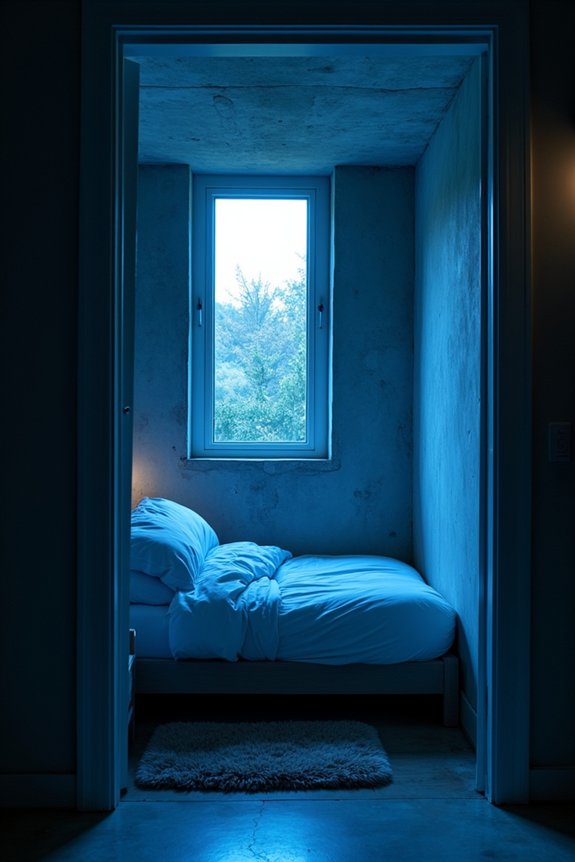
I’ve learned the hard way that an egress window isn’t optional—it’s what separates a legal bedroom from a room that won’t count on your mortgage application or appraisal. You’ll need an openable area of at least 5.7 square feet with minimum dimensions of 24 inches wide by 20 inches tall, and your sill can’t sit higher than 44 inches from the floor (unless you install permanent stairs or a ladder). If your basement window sits below ground level, the combined window and opening area jumps to 9 square feet, which I found out when my contractor and I realized our original window wouldn’t meet code requirements.
Legal Requirements And Code
You can finish the space beautifully, paint the walls, install plush carpeting, and arrange furniture like any upstairs bedroom, but without a proper egress window, it doesn’t legally count as a bedroom.
I’ve seen this heartbreak firsthand. You need to meet specific code requirements:
- Minimum opening area of 5.7 square feet (9 square feet if below exterior grade)
- Width requirement of at least 24 inches
- Height requirement of at least 20 inches
- Sill height no higher than 44 inches above the floor
- Window placement that provides direct emergency escape
Banks won’t finance it. Appraisers won’t count it. You can’t market it as a bedroom. That egress window isn’t just a nice feature—it’s the legal backbone of your basement bedroom claim.
Egress Window Specifications Matter
What makes an egress window actually work? It’s the combination of size, accessibility, and proper installation that determines whether your basement bedroom counts legally.
| Specification | Requirement |
|---|---|
| Minimum opening area | 5.7 square feet |
| Width requirement | At least 24 inches |
| Height requirement | At least 20 inches |
| Maximum sill height | 44 inches above floor |
| Well area (if below grade) | 9 square feet minimum |
I’ve learned that these measurements aren’t suggestions—they’re the legality threshold. When I added my basement bedroom, I discovered the sill height mattered most. My original window sat too high, requiring permanent stairs for compliance. The egress window specifications allow you to actually escape during emergencies. That’s what determines whether you have a legal bedroom or an illegal one.
Minimum Window Size and Sill Height: The Exact Standards
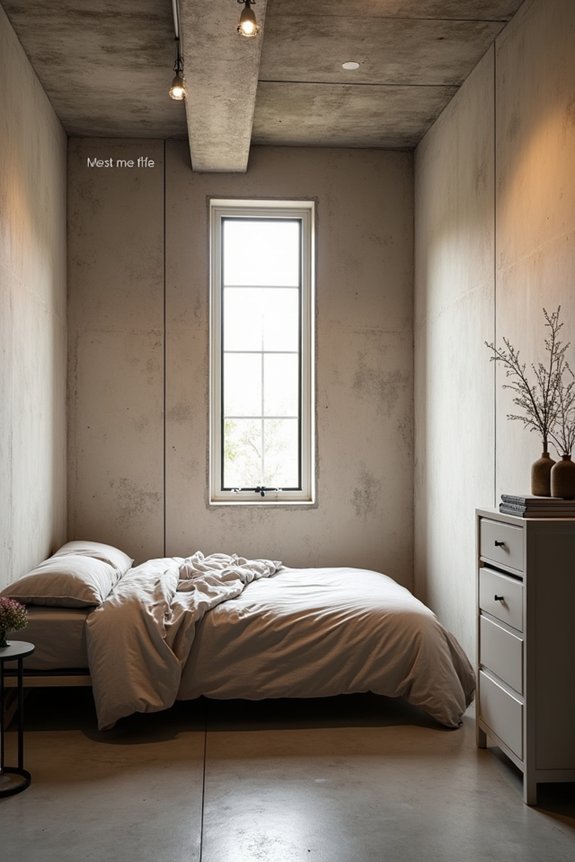
I’ve found that understanding your window’s exact measurements is where the real work starts—you’ll need at least 5.7 square feet of opening area, or 9 if the sill sits below ground level. Your window must be wide enough (minimum 24 inches) and tall enough (minimum 20 inches) to actually climb through in an emergency, which I learned firsthand when I helped a friend measure her cramped basement window. Here’s the thing: if your sill’s higher than 44 inches from the floor, you’re looking at installing permanent stairs or a ladder just to reach it, so getting those measurements right before any renovation work prevents major problems later.
Egress Window Dimensional Requirements
When I’m helping someone figure out if their basement bedroom’ll pass inspection, the window specs always matter most—and here’s why: building codes aren’t being picky just to be difficult.
Your egress window needs to meet these exact measurements:
- Minimum openable area of 5.7 square feet (or 9 square feet if the sill’s below grade)
- Width at least 24 inches across
- Height at least 20 inches tall
- Sill height no higher than 44 inches from the floor
- Direct opening to the exterior
I’ve seen too many folks install windows that looked right but fell short on actual dimensions. That emergency escape opening truly becomes your safety net. Get those measurements verified before you’ve invested in finishing that basement space. It’ll save you headaches later.
Sill Height and Code Compliance
It’s probably the most overlooked measurement I see homeowners miss, and it’ll absolutely tank your basement bedroom status if you get it wrong. Your egress window sill can’t sit higher than 44 inches above the floor—that’s the code requirement. I’ve watched buyers lose deals because their basement bedrooms had sills at 48 inches. The code’s strict here because you need to escape quickly in emergencies. If your sill dips below outside grade, you’re looking at needing 9 square feet of total egress area instead of 5.7. I recommend measuring twice from your finished floor up. Permanently installed stairs or ladders might help in older homes, but don’t count on it. Get this dimension right, and your basement bedroom actually counts legally.
Minimum Opening Measurements
Here’s where most people get tripped up—the actual window dimensions themselves. I’ve seen countless basement bedroom projects stall because homeowners didn’t realize how specific these measurements need to be.
Your window opening must meet these standards:
- Minimum openable area of 5.7 square feet for standard conditions
- Width requirement of at least 24 inches
- Height requirement of at least 20 inches
- Overall opening area of 9 square feet if the sill sits below exterior grade
- Sill height no higher than 44 inches above your floor
These aren’t suggestions—they’re what separates a legal basement bedroom from one that won’t pass inspection. I learned this the hard way when a contractor initially installed a window that was too narrow. The difference between meeting code and missing it? Sometimes just a few inches. Getting these measurements right keeps your basement bedroom compliant with regulations.
Light and Ventilation Requirements for Basement Bedrooms
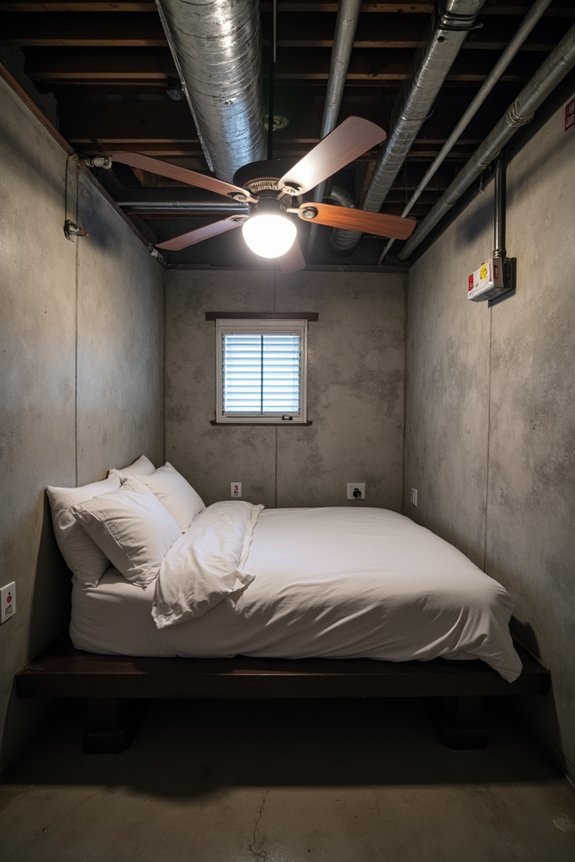
How much natural light does your basement bedroom actually get?
Building codes address this seriously. You’ll need either the UBC or IRC standards met—they’re not suggestions. The UBC requires 1/10 of your floor area as window space for natural light, plus 1/20 for ventilation. The IRC is stricter: 8% for light and 4% for ventilation.
What matters most: your egress window must open fully. That’s your safety exit. The opening needs at least 5.7 square feet if it’s above grade, but 9 square feet if the sill sits below outside grade. The window width must reach 24 inches minimum.
Bedrooms have failed inspection because owners ignored these requirements. Getting this right means your basement bedroom counts legally—and keeps your family safe.
Basement Bedroom Rules in New York, New Jersey, and Connecticut
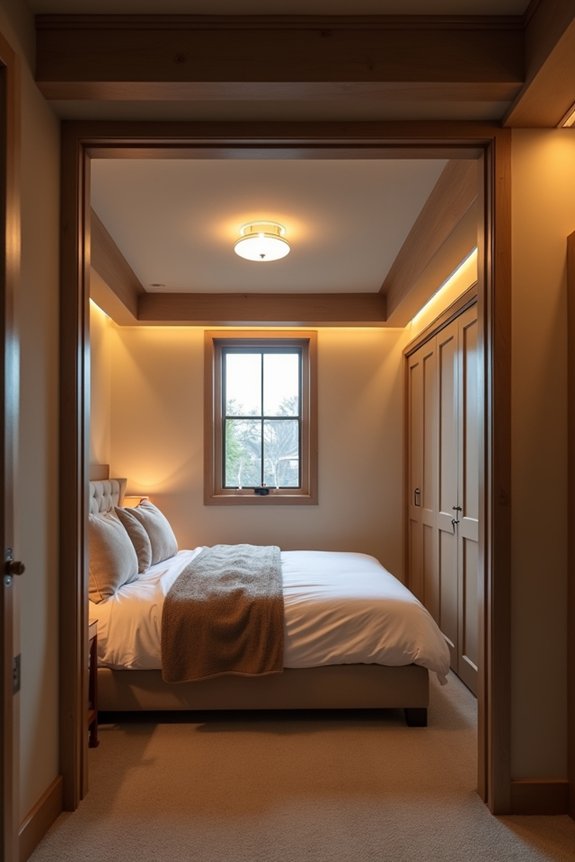
Meeting those light and ventilation standards gets you halfway there, but here’s what I’ve learned from working with homeowners across the Northeast: your state’s specific rules can make or break whether that basement bedroom actually counts on paper.
State-specific bedroom codes in the Northeast can determine whether your basement space legally counts—and that affects everything from financing to resale value.
Here’s what you need to know:
- New York and New Jersey demand at least one emergency escape opening for legal bedrooms
- Small mechanical spaces under ~200 square feet often skip bedroom classification entirely
- Connecticut allows habitable basements without bedrooms if you have two remote, code-compliant exit paths
- Without proper egress, your space becomes a non-conforming bonus room instead
- A legal bedroom classification directly impacts financing, appraisals, and resale value
I’ve seen buyers lose financing because their “bedroom” didn’t meet these requirements. Getting it right from the start protects your investment and keeps everything legitimate.
Egress Windows vs. Walkout Doors: Which Solves Your Code Problem
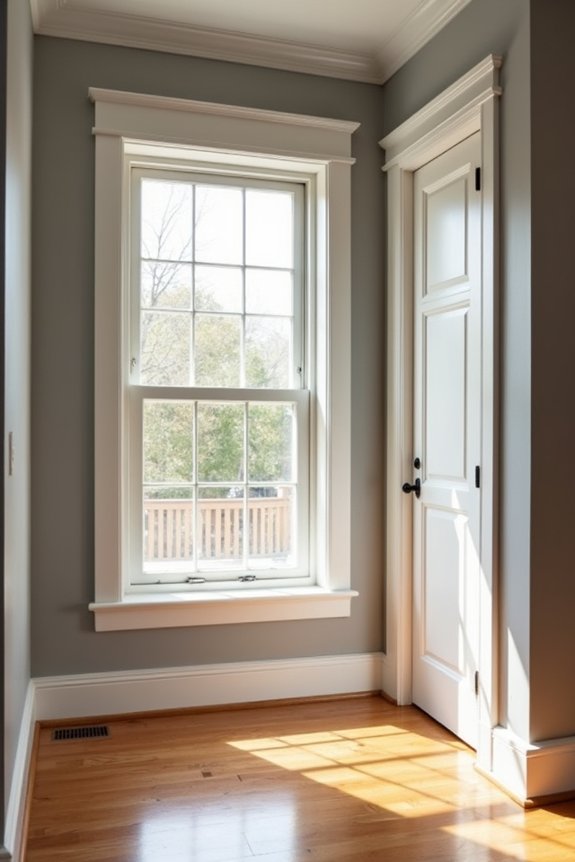
When you’re figuring out how to get your basement bedroom up to code, you’ve got two main paths: an egress window that meets strict standards (like a minimum 5.7 square feet of opening if it’s above grade, or 9 square feet if the sill sits below outside grade), or a walkout door that gives you direct access to the exterior. I’ve found that walkout doors often work better for basement spaces because they’re simpler to install and don’t require the tight sill height limits (usually capped at 44 inches) that windows do, though both options need to follow your local code to actually count as legal living area. Your choice really comes down to your basement’s layout, grade level, and what your inspector will approve in your specific state.
Window Requirements And Standards
Why are egress windows and exterior doors so essential for basement bedrooms? They’re your ticket to legal compliance and safety. Meeting code isn’t optional—it’s what separates a real bedroom from glorified storage space.
Here’s what you need to know:
- Egress windows require at least 5.7 square feet of openable area
- When the sill sits below grade, you’ll need 9 square feet minimum
- Windows must measure 24 inches wide and 20 inches tall minimum
- Sill height shouldn’t exceed 44 inches above the floor
- Natural light requirements range from 8-10% of floor area depending on your local code
I’ve seen homeowners overlook these details, then face costly renovations later. Getting it right upfront protects your investment and keeps your family safe during emergencies.
Walkout Door Installation Benefits
Now that we’ve covered window requirements, let’s talk about a solution that often works better: installing a walkout door. A walkout door bypasses those tricky sill height restrictions and well requirements that complicate egress windows. You’re creating a direct escape path to the exterior—exactly what code demands. The benefit? You need suitable grading and yard access, but you avoid the nine-square-foot well area requirements altogether. I’ve watched homeowners use this approach successfully where window wells felt cramped or impractical. Your basement bedroom gains legitimate legal status more easily with a proper walkout installation. It’s straightforward, practical, and improves both safety and your home’s classification. That’s real value you can feel confident about.
Choosing Between Both Options
So here’s what I’ve learned after helping folks navigate this choice: both egress windows and walkout doors solve your basement bedroom problem, but they work differently depending on your specific situation.
I’ve seen homeowners choose based on these factors:
- Foundation height: Walkout doors work best when your basement sits partially above grade
- Existing grading: Windows need wells if the sill falls below exterior grade; doors need proper slope away
- Cost considerations: Egress windows typically cost $1,000–$3,000; walkout doors run $2,000–$5,000
- Space constraints: Windows fit tight corners; doors need clearance and landing space
- Code compliance: Doors satisfy egress more readily than windows in most scenarios
I’ve found that walkout doors resolve code issues faster when your situation allows it. Windows work well too—they just require more planning around those sill-height and well requirements. Either option makes your basement bedroom legal.
How Appraisers Value Basement Bedrooms Differently
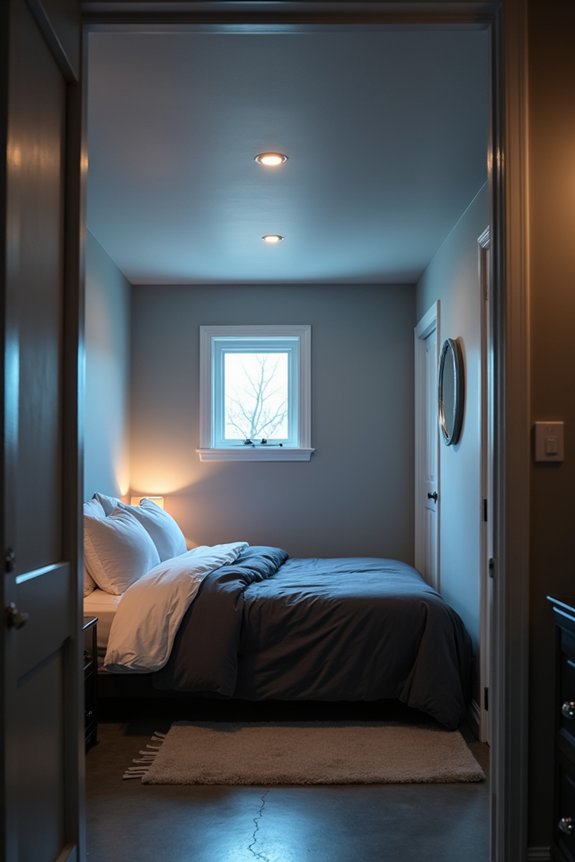
When you’re trying to understand what a basement bedroom’s actually worth, here’s what I’ve learned from talking with appraisers: they don’t value it the same way they’d value a bedroom upstairs.
Here’s the real deal. If your basement bedroom has proper egress—that’s an exterior exit meeting code requirements—appraisers might count it as a legal bedroom. But even then, they typically assign it a lower per-square-foot value than above-grade spaces.
Basement bedrooms with proper egress may count as legal, but appraisers typically value them lower than above-grade spaces.
I’ve seen this firsthand. A finished basement with egress adds usable square footage, yet lenders often separate it from primary living area calculations. Without that egress requirement met, appraisers won’t recognize it as a legal bedroom at all.
The market’s geography matters too. Your location’s building codes and local standards ultimately determine whether that basement room boosts your home’s value meaningfully.
Why Basement Bedrooms Don’t Always Count in Official Room Totals
Even if your basement bedroom checks all the boxes—egress window, closet, proper heating and cooling—it still might not count toward your home’s official bedroom total.
Here’s why this happens repeatedly:
- Above-grade preference: Appraisers prioritize above-ground living spaces for consistency across markets
- Basement classification: Below-grade rooms often get labeled as bonus or recreation rooms instead
- Egress requirements: You need compliant emergency exits meeting local codes, not just any window
- Market standards: Different regions have different rules about what qualifies as legal
- Lender limitations: Many lenders won’t count basement bedrooms in their financing calculations
Homeowners often feel frustrated discovering their finished basement bedroom doesn’t officially count. The reality is that official room totals follow strict guidelines favoring above-grade spaces, regardless of your basement’s actual condition or functionality.
Closets, Heating, and Cooling: What Building Code Actually Requires
Most people think a closet’s what makes a bedroom official, but it’s actually not even on the checklist. What actually matters? Proper egress—that’s your escape route, like a compliant window or door. You’ll also need adequate heating and cooling to keep the space livable year-round. I’ve seen basement rooms fail inspection because they lacked proper ventilation, even with perfect closets. The room needs natural light and airflow to be habitable. Building codes focus on your safety and comfort, not storage space. When I worked with my neighbor converting her basement, we invested in egress windows and a heating system before touching anything else. That’s where inspectors look first.
Legal Habitable Space in Finished Basements Without Bedrooms
Finished basements without egress windows function as habitable space but don’t legally qualify as bedrooms, regardless of other features.
Now that we’ve covered what makes a bedroom official, let’s talk about basements that don’t quite meet the requirements. You might have a finished basement that functions well for living, but without proper egress, it won’t qualify as a legal bedroom. Here’s what separates habitable space from bedroom status:
- Egress windows allow emergency escape routes to the exterior
- Habitable space still requires adequate heating, lighting, and ventilation
- Ceiling height minimums typically run 7 feet or higher
- Room dimensions must meet local code standards
- Absence of egress keeps space non-conforming regardless of other features
I’ve seen well-designed finished basements that appraisers categorize separately from above-grade living areas. These spaces add value and usability to your home. They’re just not legally bedrooms. Understanding this distinction helps you plan renovations realistically and protect your investment wisely.
How Below-Grade Status Affects Your Home’s Resale Value
When you’re selling a home with a basement bedroom, here’s what I’ve learned from watching dozens of transactions: that below-grade space won’t contribute to your home’s value the same way an upstairs bedroom does.
| Feature | Above-Grade Bedroom | Legal Basement | Non-Compliant Basement |
|---|---|---|---|
| Appraisal Value | Full per-sq-ft rate | 70-85% of above-grade | Not counted |
| Buyer Appeal | High demand | Moderate interest | Limited appeal |
| Financing Impact | Counts toward room total | May count if compliant | Lender may reject |
| Market Resale | Strongest multiplier | Modest value addition | Minimal impact |
I’ve seen homes with compliant legal basement bedrooms sell faster than those with non-conforming spaces. The difference? That egress window and proper ceiling height matter significantly to buyers and lenders alike.
Non-Compliant Basement Bedrooms: Risks and Consequences
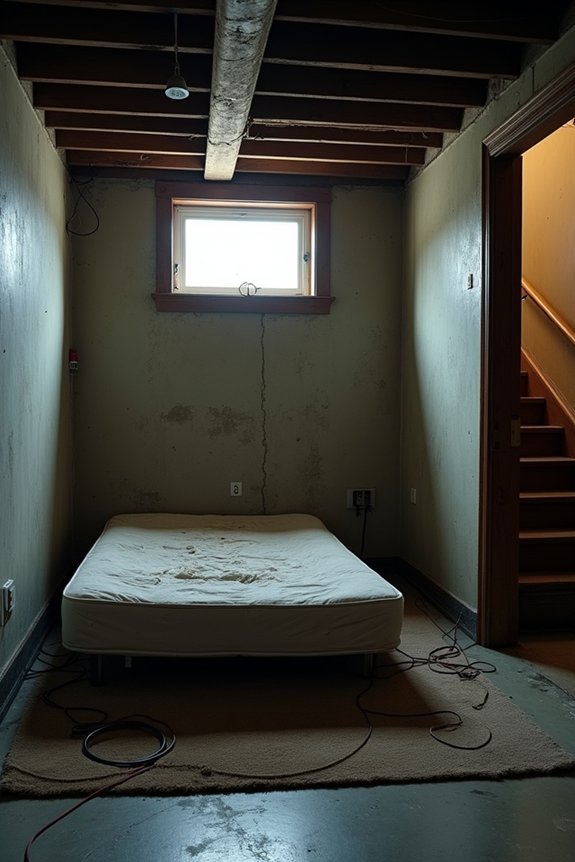
When you skip egress windows and proper codes, you’re looking at real trouble—I’ve seen buyers walk away from otherwise perfect homes because lenders won’t finance them, and you can’t insure a space that violates safety standards. Your basement bedroom might look finished with carpet and drywall, but without that compliant 5.7 sq ft openable window with a sill height under 44 inches, appraisers simply won’t count it as legal living space, which reduces your home’s value and marketability. The consequences hit your wallet hard: non-compliant bedrooms don’t add square footage on official records, insurance claims can be denied if something happens, and you might face fines from local code enforcement if you’re caught renting or selling without disclosure.
Legal Liability And Insurance
What happens to your homeowner’s insurance when you’ve finished a basement bedroom without meeting code requirements? I’ve seen this situation create real problems for homeowners I know.
Your insurance company can deny claims if someone gets injured in a non-compliant space. Here’s what you’re facing:
- Insurance may refuse to cover accidents or injuries in illegal bedrooms
- Your policy could be canceled if violations are discovered during inspection
- You’ll lose financial protection when you need it most
- Lenders view non-habitable spaces as increased default risk on your mortgage
- Legal-liability exposure grows significantly without proper egress windows
I’d strongly recommend bringing your basement into compliance. The cost now beats facing denied claims later. Your family deserves protection, and you deserve peace of mind knowing your coverage actually covers you.
Resale Value And Financing
Here’s where things get tricky—a non-compliant basement bedroom won’t help your home’s value or your financing options, even if it looks finished and feels comfortable. When I worked with a lender last year, they wouldn’t count my finished basement bedroom toward my loan amount because it lacked proper egress. That missing egress window cost me real money—my appraised value dropped, and I couldn’t borrow as much as I’d hoped.
Appraisers simply exclude non-compliant basement bedrooms from official counts. Without compliant egress (requiring at least 5.7 square feet of openable area), your bedroom becomes “recreation space” on paper. This reclassification directly impacts financing eligibility and resale appeal. Buyers and lenders see the same thing: risk and liability, not bedroom value.
Checklist: Making Your Basement Bedroom Code-Compliant
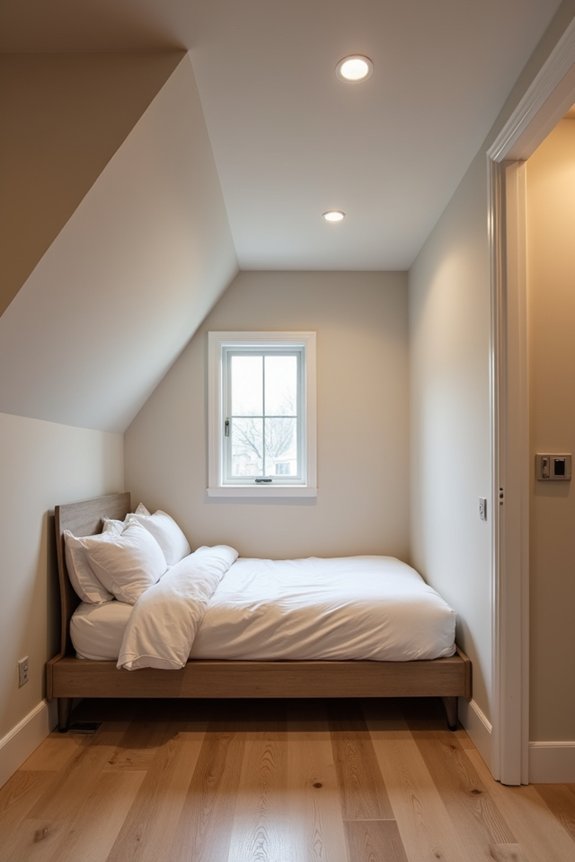
To turn your basement into a legally recognized bedroom, you’ve got to tackle one non-negotiable requirement first: a compliant egress window.
I’ve seen too many homeowners invest thousands in beautiful finishes, only to discover their bedroom doesn’t count legally. Here’s what you need to check:
- Install an egress window meeting minimum dimensions: 5.7 square feet, 24 inches wide, 20 inches tall
- Position the window sill at or below 44 inches from the floor
- Verify direct exterior opening without obstructions or wells blocking escape
- Check that natural light area reaches at least 8–10% of your room’s floor area
- Confirm ventilation meets code standards through operable windows or mechanical systems
Getting these details right makes your space a legally countable bedroom that increases your home’s value and financing options.
Can You Legally Rent Out a Non-Compliant Basement Bedroom?
Now that you’ve got your checklist for code compliance, I need to be straight with you: you can’t legally rent out a basement bedroom that doesn’t meet those egress requirements.
I’ve seen landlords try this, and it never ends well. Renting a non-compliant basement bedroom as a “bonus space” or “recreational room” might seem like a workaround, but here’s the reality: tenants need legal protection, and you need liability coverage. Without a proper egress window—that 5.7 square foot opening with correct width and sill height—you’re operating outside code.
Local jurisdictions won’t recognize it as a bedroom for tenancy purposes. Insurance companies won’t cover incidents. You’re exposing yourself to serious legal and financial trouble. The path forward? Invest in that compliant egress window now. It’s the only option.