
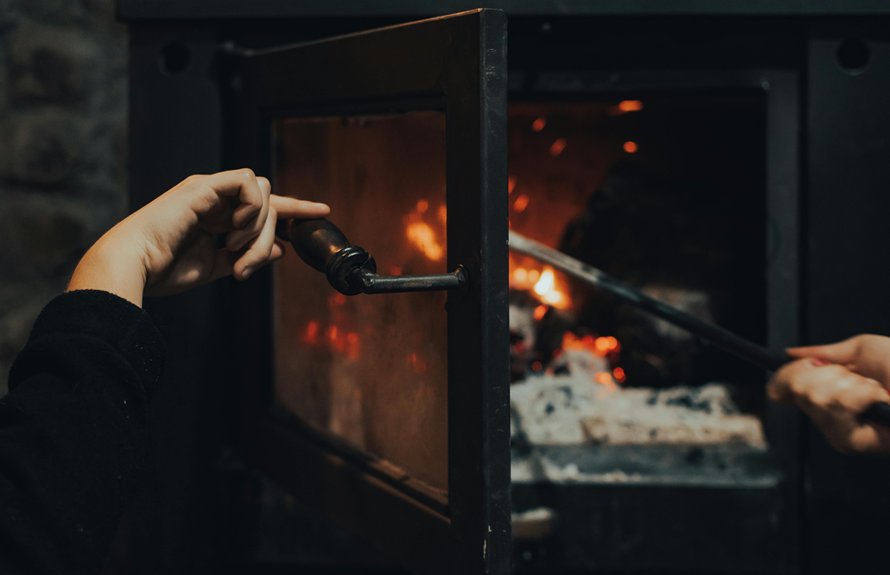
Fireplace doors aren’t legally required, but I’ve found they’re worth installing if you’ve got kids, pets, or want to lower heating bills. They act as a physical barrier against hot embers and sparks while trapping heat inside your firebox—particularly ceramic glass doors on masonry fireplaces, which can save you ten to twenty dollars monthly. They also contain ash and debris, cutting cleanup time considerably.
The real question isn’t whether you need them, but which type matches your fireplace and goals.
Do You Actually Need Fireplace Doors?
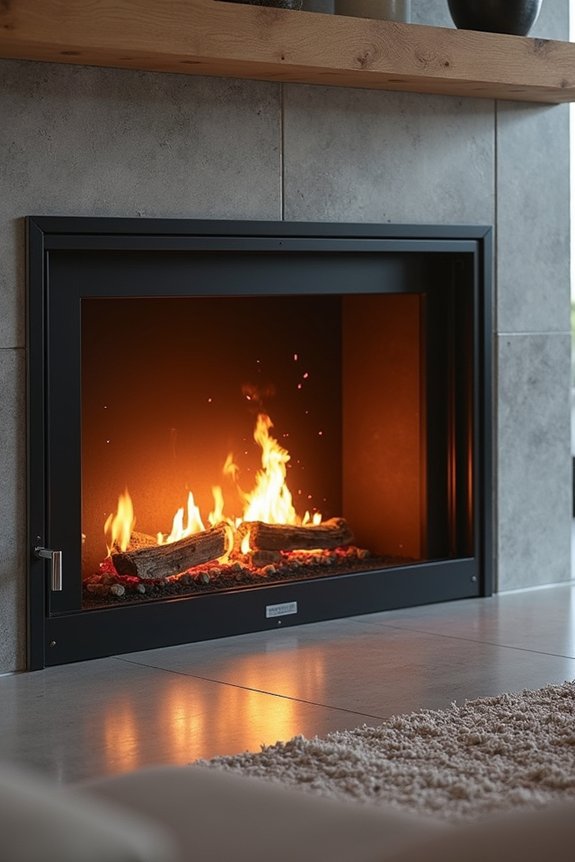
Here’s the thing about fireplace doors—you won’t die without them, but they’re worth considering. I’ve watched friends debate this endlessly, and honestly, it depends on your situation. If you’ve got kids or pets, fireplace doors become a real safety concern. Sparks and embers can escape, creating hazards that keep me up at night. Energy efficiency matters too. Without doors, you’re losing heat up your chimney constantly, which tanks your heating bills. The glass type matters significantly. Tempered glass works for prefab fireplaces, while ceramic glass suits masonry units. I’ve noticed that homes with proper fireplace doors feel more comfortable—warmer and safer. They’re not mandatory, but they address real problems that most of us face.
Masonry vs. Prefab: Why Your Fireplace Type Determines Safe Door Use
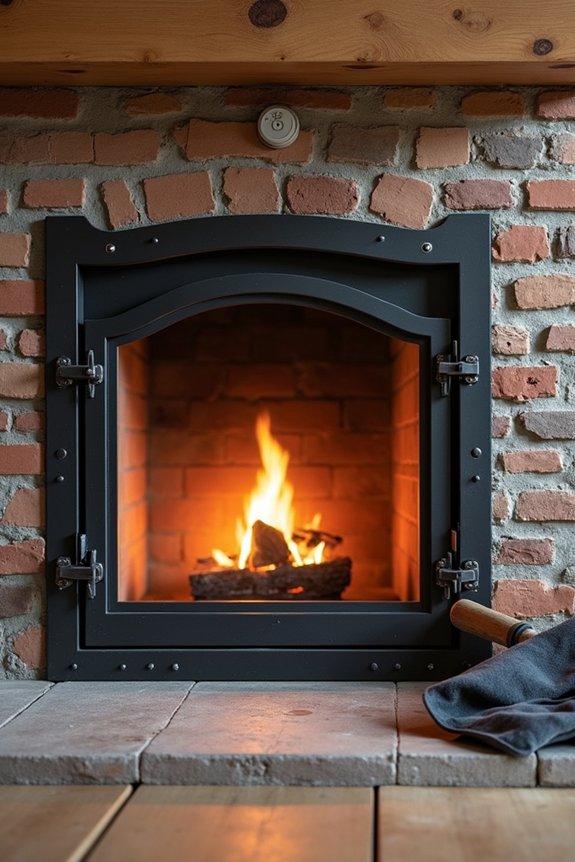
When I helped my neighbor install fireplace doors last spring, I realized her biggest mistake was buying the wrong type for her prefab unit. You see, masonry vs prefab fireplaces need completely different door styles. Masonry fireplaces can use air sealed doors with ceramic glass, which handle high heat and stay safe whether closed or open. Prefab units require tempered glass doors that must stay open during burning—closing them risks shattering. I learned this matters because codes mandate a 1/8 inch gap around doors for airflow. My neighbor’s sealed doors would’ve trapped heat dangerously. Getting the right fireplace doors for your specific unit prevents safety hazards and keeps everything running smoothly. Always check your fireplace type first.
How Fireplace Doors Protect Your Family and Home
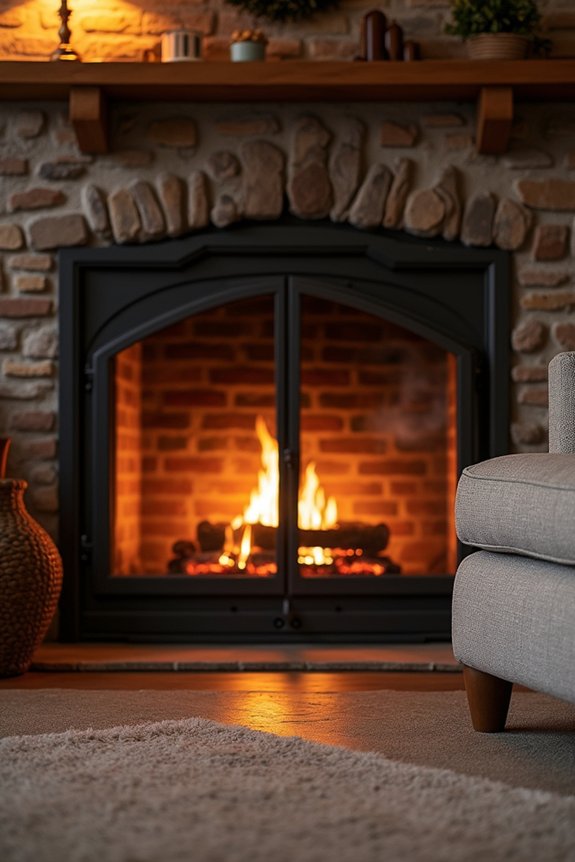
I’ve learned that fireplace doors aren’t just nice-to-have extras—they’re genuine protectors for your loved ones and your home. When I installed tempered glass doors on my masonry fireplace, I noticed how they caught flying sparks and embers that’d previously scattered across my hardwood floor, plus they kept my toddler’s curious hands safely away from the scorching firebox opening. You’ll also find that closing those doors during a fire reduces heat loss to your room while mesh curtains add an extra layer, catching any stray embers if you need the doors open for maintenance or cleaning.
Preventing Injuries And Burns
Why do so many families I know keep their fireplaces running without any doors or screens? I’ve learned the hard way that this choice puts loved ones at serious risk. Here’s what I’ve discovered about preventing injuries and burns:
- Glass doors create a physical barrier between curious children and hot embers
- Sparks protection keeps flying debris from landing on nearby rugs or furniture
- High-heat pyro ceramic glass withstands extreme temperatures safely
- Closed doors allow safe operation while reducing accidental contact with flames
When I installed glass doors on my fireplace, I finally felt comfortable letting my kids play nearby. The burn risk dropped dramatically. My friends with similar setups report the same relief. These safety barriers are practical investments that let your family enjoy warmth without constant worry.
Containing Sparks And Embers
One of the biggest fire hazards I didn’t anticipate until my first winter with an open fireplace was how far sparks actually travel. I’ve watched embers shoot across my living room and land on my rug—it’s unsettling. That’s where fireplace doors become your real defense.
Glass doors contain those flying sparks effectively, keeping them trapped inside the firebox where they belong. I’ve noticed ceramic glass on masonry units handles this well, even when doors stay open during burns. Mesh curtains offer an affordable backup layer too.
What convinced me most? Watching my neighbor’s carpet nearly catch fire from an ember that escaped during an open burn. Fireplace doors aren’t just nice to have—they’re necessary safety equipment for protecting your family and your home from preventable accidents.
Creating Safety Barriers Indoors
When you have kids or pets running around your home, fireplace doors become your best friend—they’re the physical barrier that keeps curious hands and wagging tails away from the heat and flying debris. Glass doors with high-heat ceramic construction make fireplaces safer for viewing. Here’s what makes them necessary:
- Glass doors contain embers and sparks effectively
- Airflow gaps maintain proper ventilation during burns
- Closed doors prevent ash from spreading throughout rooms
- A certified chimney technician verifies safe installation
When I installed doors at my place, I noticed my kids felt more comfortable around the fireplace. The containment aspect gave me peace of mind, knowing radiant heat stayed controlled. You’re creating a genuine safety zone for everyone.
Energy Efficiency and Lower Heating Costs
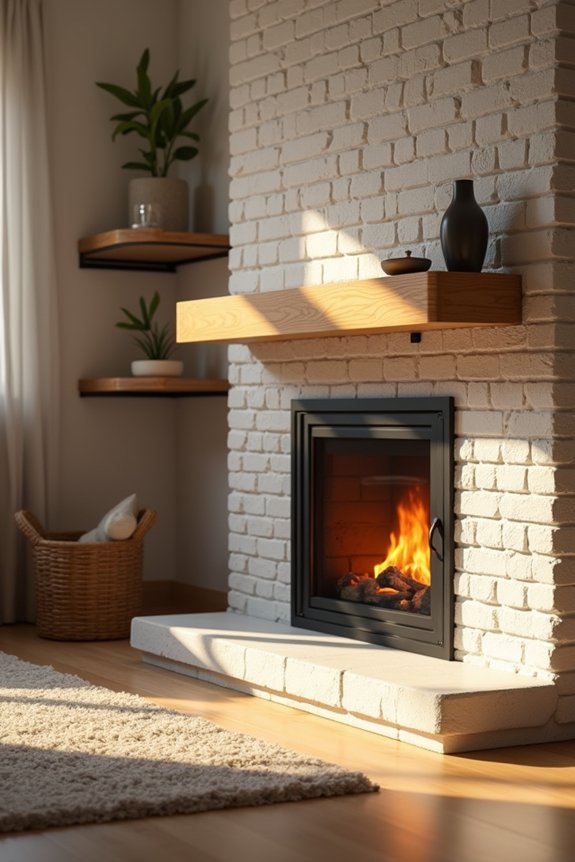
I’ve found that fireplace doors work like a shield against wasted energy—they stop warm air from escaping up your chimney when you’re not burning a fire, which really adds up over months. You can control the airflow with doors closed during off-seasons, and if you’ve got ceramic glass doors on a masonry fireplace, you can even keep them shut while the fire’s going to trap more heat in your room instead of losing it to the chimney. Between preventing drafts and reducing that constant heat leakage, I’ve noticed my heating bills drop noticeably, especially in spring and fall when I’m not using the fireplace but still have it sitting there like an open window to the outdoors.
Heat Loss Prevention Methods
How much of your heating money disappears up the chimney?
Preventing heat loss involves several practical strategies you can implement right now:
- Glass doors act as a barrier against drafts, trapping warmth inside your living space during winter months
- Ceramic glass doors on masonry fireplaces allow you to burn with doors closed, markedly improving heat retention
- Fire screens and mesh curtains reduce radiant heat loss while controlling ember escape effectively
- Closing doors on wood-burning fireplaces slows the burn rate, extending burn time and improving fuel efficiency
When I installed glass doors on my fireplace, I immediately noticed reduced drafts. The combination of doors with a fire screen further minimized heat loss. You’re not just installing hardware—you’re reclaiming energy dollars that’d otherwise vanish. That’s the real value here.
Seasonal Energy Savings Impact
Your fireplace doors become a genuine investment when you consider what they save you seasonally. I’ve noticed my heating bills drop noticeably when I keep my fireplace doors closed during winter months. With energy efficiency in mind, you’re trapping warmth inside your room rather than letting it escape up the chimney. If you’ve got tempered glass doors on a prefab unit, you’ll need to keep them open while burning, but ceramic glass doors on masonry fireplaces? Those let you close them, maximizing seasonal energy savings. Even when your fireplace sits idle, closed doors prevent cold drafts from sneaking through. I’m talking real savings—sometimes $10-20 monthly during peak heating season. That’s why fireplace doors closed makes such a practical difference in your home’s comfort and your wallet.
Airflow Control and Efficiency
When it comes to managing heat in your fireplace, airflow control is everything—it’s the difference between watching warmth disappear up your chimney and actually keeping it in your home. I’ve learned this lesson the hard way, and fireplace doors genuinely improve how your system performs.
Here’s what happens when you manage airflow strategically:
- Closing doors slows your burn rate, stretching fuel further and improving efficiency noticeably
- Proper venting reduces drafts that pull cooled room air outside unnecessarily
- Sealed configurations help stabilize indoor temperature throughout cold months
- Heat retention improves substantially, lowering your overall heating costs
I discovered that pairing ceramic glass doors with thoughtful vent management creates real savings. You’re not just heating; you’re controlling exactly where that warmth goes. That’s part of a smarter heating approach.
Keep Ash Inside: Why Doors Reduce Mess
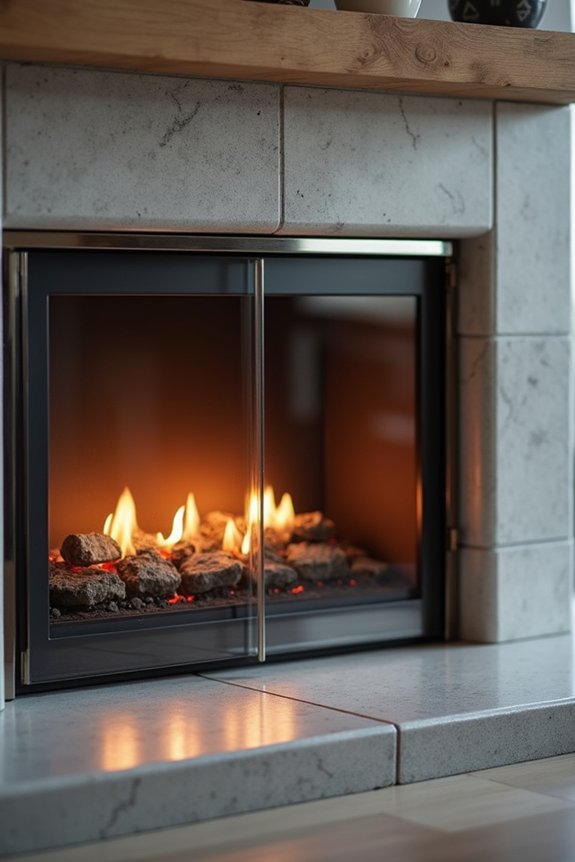
Why does ash end up everywhere when you don’t have fireplace doors? I’ve learned the hard way that open fireplaces scatter debris across my living room. Glass doors work differently than you’d think—they’re not just for looks. When I keep closed doors on my fireplace, the ash stays contained inside the firebox where it belongs. Mesh options offer ember prevention too, stopping hot particles from escaping into your space. I’ve noticed that opening doors during a burn increases ash dispersion significantly. It’s like the difference between burning leaves in an open field versus a contained bin. Proper airflow through closed doors actually contains ash more effectively than leaving everything wide open. I pair my glass doors with a hearth rug, and my cleanup time dropped noticeably. That combination really does help.
Aesthetic Upgrades: Why Fireplace Doors Transform Your Hearth
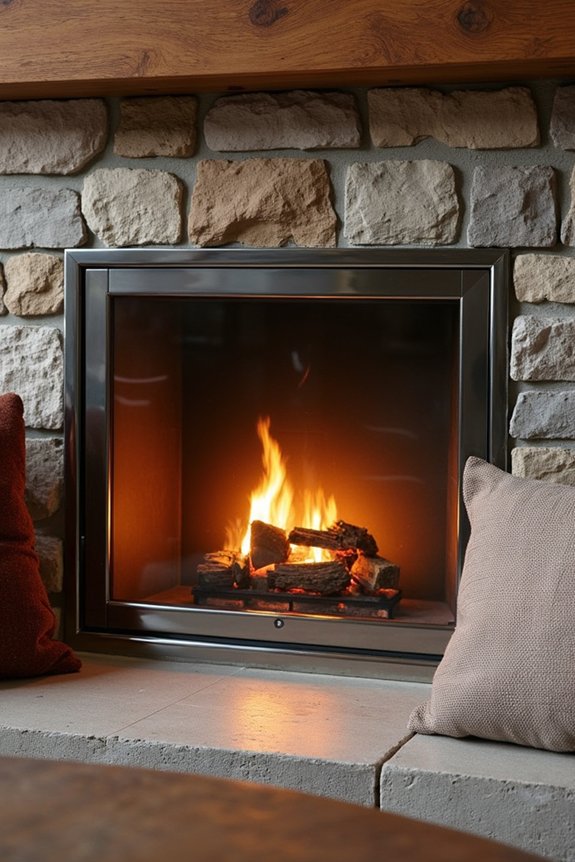
Beyond keeping ash contained, fireplace doors do something I didn’t expect when I first installed mine—they completely changed how my hearth looks. I realized my fireplace wasn’t just functional; it could be beautiful too.
Here’s what changed my space:
- Style options ranging from sleek black frames to tempered glass designs that match any decor
- Custom finishes that align your hearth with rustic, modern, or farmhouse aesthetics
- Non-standard shapes like arched or corner doors for unique fireplace configurations
- Visual planning tools letting you preview changes before committing
My dated brick surround became a polished centerpiece. Instead of an eyesore, my hearth now draws compliments. You don’t need a full remodel—upgrading doors alone refreshes everything. I’d never realized such a simple hearth upgrade could deliver this impact on my home’s appearance.
Glass Doors vs. Screens: Which Fits Your Home?
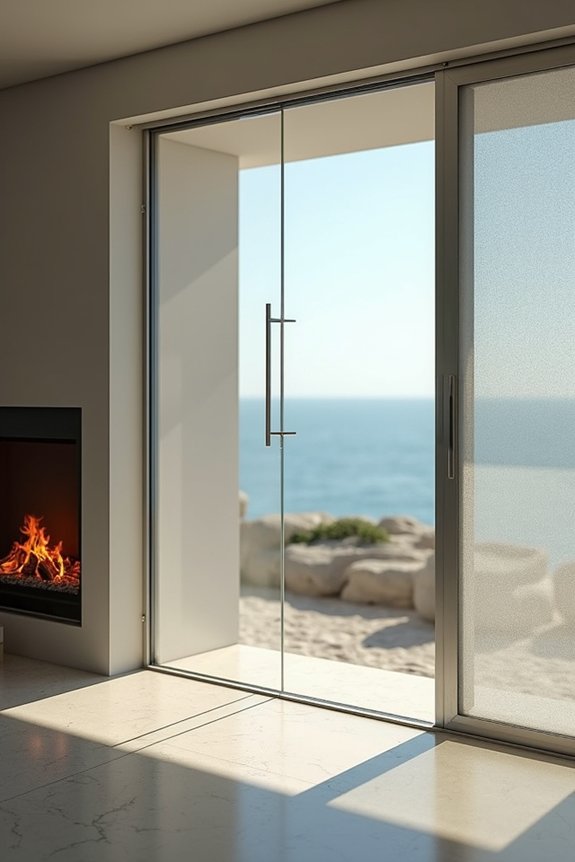
Once you’ve decided on fireplace doors for aesthetics, the real question becomes whether glass doors or screens actually work better for your setup. Your fireplace type matters most here. If you’ve got a masonry fireplace, ceramic glass doors work well closed or open. But prefab fireplaces require glass doors that stay open due to tempered glass shattering risks. You’ll want screens if you’re prioritizing that open-fire feel without worrying about safety. Screens cost less and let you see those flames dancing freely. However, if energy efficiency drives your decision, glass doors reduce heat loss substantially, especially on gas fireplaces. Consider your priorities: safety, budget, aesthetics, and efficiency. Your perfect choice depends on what matters most to you.
Measuring Your Firebox and Avoiding Installation Mistakes
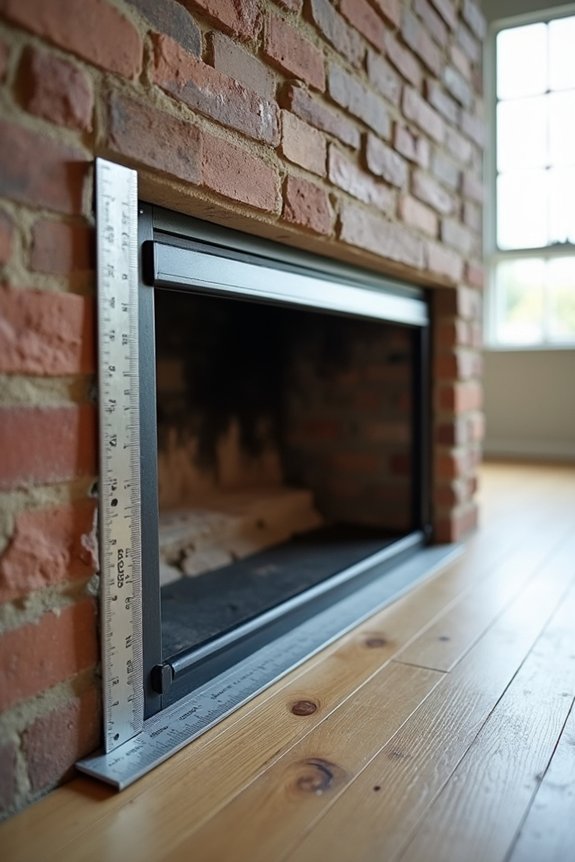
How often do I see homeowners grab a tape measure, eyeball their fireplace opening, and confidently order doors that don’t fit?
I’ve learned the hard way that accurate firebox measurements matter. Here’s what I do now:
- Measure width, height, and depth three times from different spots
- Record clearance space around the entire firebox opening
- Note any uneven surfaces or protruding bricks
- Take photos with measurements written on them
Proper fit isn’t just about aesthetics—it’s about installation safety. I once watched a friend’s expensive doors warp because they sat too close to heat sources. That’s when I started recommending professional assessments. A technician arrives, evaluates your specific setup, and uses digital visualization to preview options. This prevents costly mistakes and keeps your doors operating safely for years.
Which Type Should You Buy? A Cost and Safety Comparison
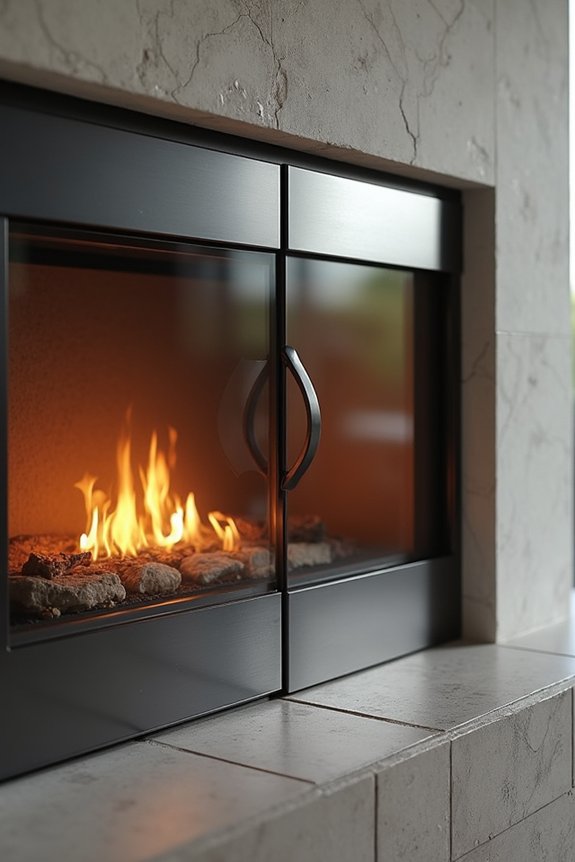
Now that you’ve got your measurements locked in, you’re ready for the part that really matters: picking the right doors for your specific fireplace type. Here’s what I’ve learned: if you have a masonry fireplace, ceramic glass doors work well. They handle closed-door burning effectively, giving you solid heat retention and efficiency gains. Prefab fireplaces? They need tempered glass doors kept open during burns—fire safety codes require that 1/8 inch gap anyway, so closed doors risk shattering.
Budget-wise, expect $50 to $500 depending on materials and customization. Ceramic glass costs more but delivers better performance for masonry setups. I’ve found that investing in quality doors matching your fireplace type pays off through safety and comfort. You’re making a smart choice here.