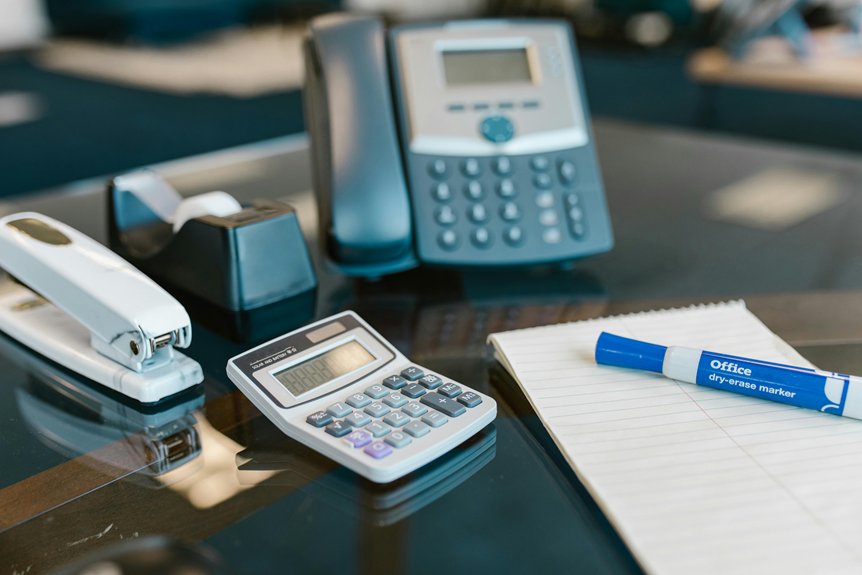
Office decorations qualify for tax deductions when they serve a genuine business purpose, not just look nice. I’ve found that filing cabinets, ergonomic desk lamps, and professional art in your client waiting room all count. The key is documenting how each item supports your actual work. Personal taste alone won’t fly with the IRS—that painting in your bedroom stays off-limits, but the same one in your reception area? Totally deductible. Keep receipts and photos showing business use. There’s more nuance to maximizing these deductions than most people realize.
What Makes Office Decorations Tax Deductible?
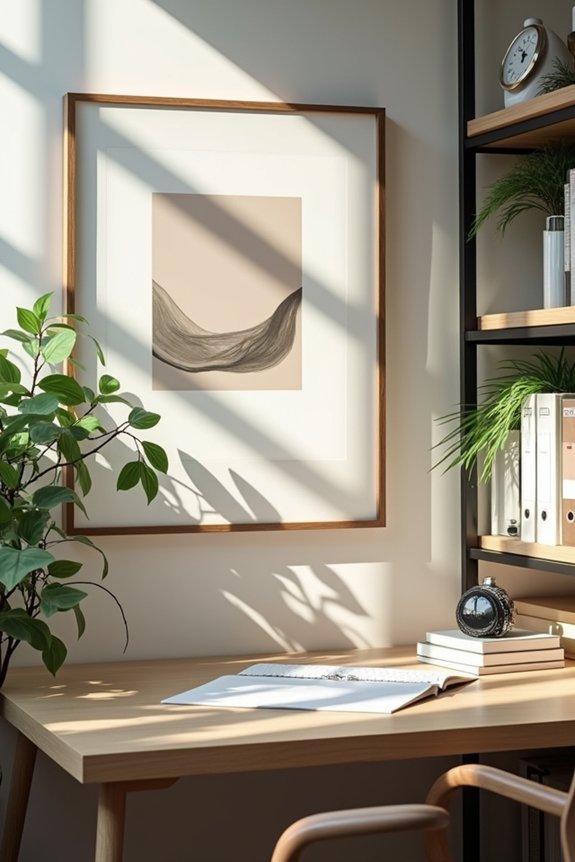
So what exactly can you write off when you’re sprucing up your workspace? I’ve learned that office decor becomes tax deductible when it serves a clear business purpose. Furniture like desks and filing cabinets? Absolutely deductible. Lighting fixtures that brighten your reception area? You’re good. Even plants and landscaping count toward your deductions.
Here’s what matters: each item must actually help your business run smoothly, not just look pretty. A Monet-style painting hanging in your waiting room won’t qualify because it’s purely aesthetic. But practical items—rugs that reduce noise, ergonomic chairs, desk lamps—those work.
You’ll claim these deductions through Section 179 for potential upfront write-offs or depreciation over time. The key? Keep detailed receipts and document your business purpose for every single item. This documentation saves you during audits.
Which Office Decor Items Qualify for Deductions?
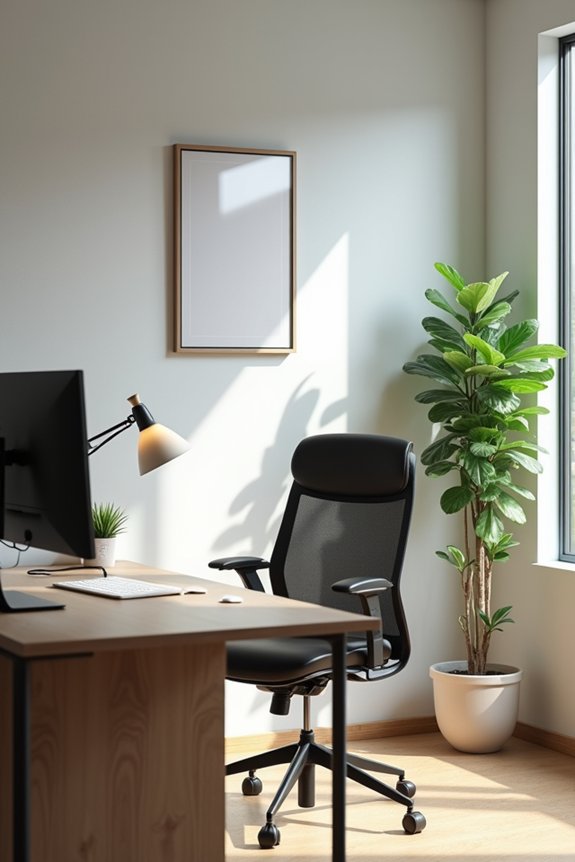
I’ve found that what really matters for deductions is whether your decor actually serves your business—not just whether it looks nice on the wall. Think about it this way: a 4×6 foot area rug in your waiting room that reduces noise and defines the space is deductible, but an expensive abstract painting you bought because you like it isn’t. The IRS wants to see items like framed professional certifications, task lighting fixtures, potted plants that improve air quality, and wall art depicting your industry or brand as functional business investments.
Business-Purpose Decor Items
What makes an office decoration actually deductible? I’ve learned that your decor must serve a clear business purpose, not just look nice. When I furnished my home office, I discovered that functional items like ergonomic lighting fixtures and filing cabinets qualified because they directly supported my work. A desk lamp that reduces eye strain? Deductible. Generic artwork for aesthetics alone? Not deductible. Plants that improve air quality in a professional space have potential, but only if they’re integral to your business-use environment. I found that custom storage solutions designed specifically for client meetings qualified fully. The key distinction I’ve discovered: ask yourself whether the decor actively supports your business operations. If it’s purely decorative without functional value, the IRS won’t see it your way.
Functional vs. Aesthetic Distinctions
Here’s where the line gets blurry—and where I’ve made mistakes myself. I once tried deducting an expensive abstract painting, thinking it brightened my home office capacity. The IRS disagreed. The key distinction separates what actually works for your business from what simply looks nice.
- Functional items like wall-mounted shelves, filing cabinets, and whiteboards are deductible—they directly support your work
- Aesthetic pieces such as artwork, decorative rugs, and plants aren’t deductible unless they serve a business purpose
- Hybrid items like reception area plants that clients see can qualify if they improve your professional presentation
- Storage solutions are always deductible when they organize business materials in your home office capacity
Ask yourself honestly: does this item help me work better, or does it just look good? That’s your answer.
Office Space Applications
Now that you understand the functional versus aesthetic split, you can apply this framework to your actual office space. I’ve found that separating what truly serves your business use from what’s purely decorative makes tax deductions straightforward.
In reception areas or client-facing spaces, wall art with professional themes, quality lighting fixtures, and area rugs all qualify because they directly support business operations. Your desk, ergonomic chair, filing cabinets, and bookshelves are solid deductions too.
Custom storage solutions work well when they’re exclusively for business purposes. I invested in built-in office cabinets, and they qualified fully because I use them only for client files and supplies.
The key question I ask myself: does this item help me conduct business effectively? If yes, it likely qualifies for tax deductions. That’s your real measuring stick.
Does Your Business Type Qualify for Decoration Deductions?
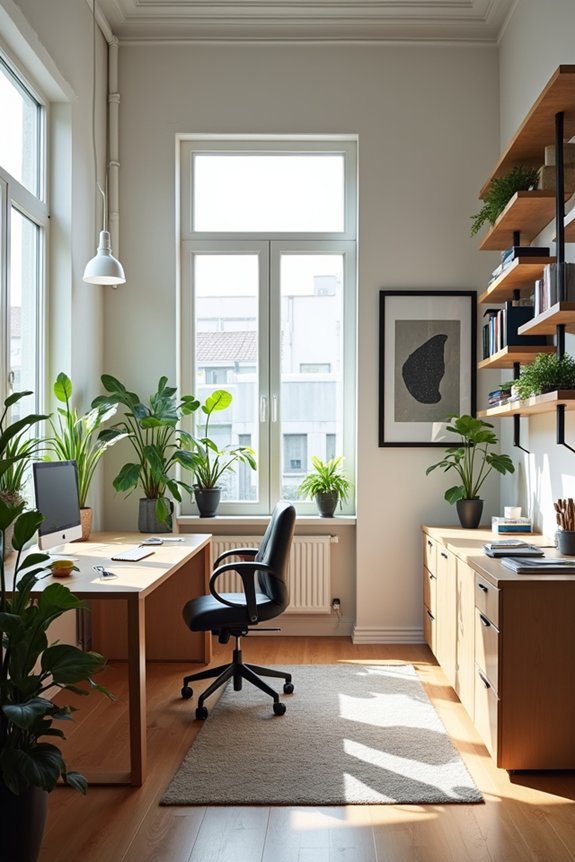
Your business structure really matters when you’re figuring out what decorations you can deduct. If you’re self-employed with a home office, you’ll need that space dedicated exclusively to work—I learned this the hard way when the IRS questioned my home library setup that doubled as a guest room. Now, if you run a professional practice like accounting or law, or you manage a commercial space with client-facing areas like a waiting room, you have better options for deducting those furnishings and professional décor because they directly serve your business function.
Professional Spaces and Eligibility
When’s the last time you wondered whether that new office lamp or waiting room plant could actually reduce your taxes?
From navigating this myself: your decorations are deductible if they’re in business spaces. That includes:
- Reception areas and waiting rooms where clients first meet you
- Office furniture, lighting fixtures, and landscaping improvements
- Capital goods serving your professional workspace
- Decoration items you’ve purchased throughout the year
The key distinction? Art investments like Monet-style paintings don’t qualify, but everything else does. I’ve claimed €250–€500 annually without issue. Whether you’re running a law office or medical practice, if it decorates your professional space, it’s likely deductible. You’re simply making your workspace functional and welcoming—something every legitimate business needs.
Industry-Specific Deduction Requirements
Whether your business can deduct office decorations really depends on what industry you’re in and how your clients experience your space. I’ve seen this play out differently across industries. A therapist’s calming wall art? Deductible. A real estate agent’s staging decor? Absolutely. But a tech startup’s trendy paintings? That’s trickier—the IRS questions whether it’s truly required for business.
Your industry determines what counts as “ordinary and necessary.” Professional services like law and accounting firms get clearer passes on client-facing decor. When I consulted for a medical practice, their soothing wall colors qualified because they directly supported patient care.
Here’s where exclusivity matters: if your decor serves only business purposes, depreciation helps spread costs over years. That’s smarter than rushing one year’s deduction, especially for significant purchases.
Self-Employed Versus Employee Status
How’s your employment situation set up? That question matters when you’re figuring out office decor deductions. Here’s what I’ve learned navigating this myself:
- Self-employed individuals qualify for home office deductions on decorations used exclusively for business in dedicated workspaces.
- Employees generally can’t deduct office decorations, even if they work from home—the rules don’t favor traditional employment setups.
- Proportional deductions apply to self-employed owners; you’ll deduct only the percentage matching your business space usage.
- Documentation is necessary—I keep photos and measurements of my dedicated office to support my home office deduction claims.
Your employment status determines eligibility. Self-employed folks like us have clearer paths to office decor deductions than employees do. It’s worth understanding where you stand.
Home Office Decorations: What Qualifies and What Doesn’t?
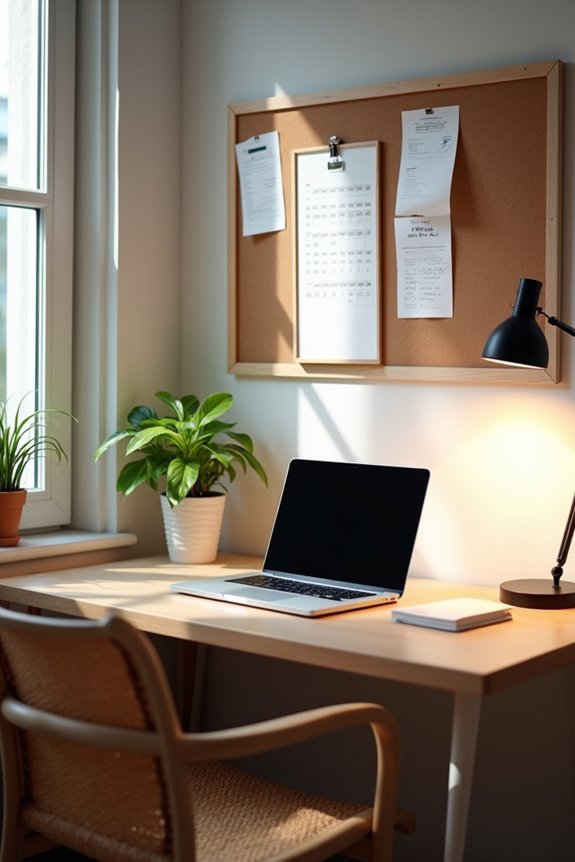
If you’re setting up a home office, I’d recommend thinking carefully about which decorations you’re bringing in—not all of them will save you money at tax time.
I’ve learned that purely aesthetic items like art, plants, or rugs don’t qualify for a home office deduction. However, furniture and organizers that directly support your business use absolutely do. Think filing cabinets, desk organizers, or shelving units that help you stay productive.
Here’s what matters: your decorations must serve a genuine business function, and your space must be used exclusively for work. I calculate my deductions by measuring my office square footage, then proportionally claim expenses based on that percentage.
Keep detailed records showing how each item supports your actual work. That documentation proves your intention to the IRS.
Personal Taste vs. Business Expense: Where the IRS Draws the Line
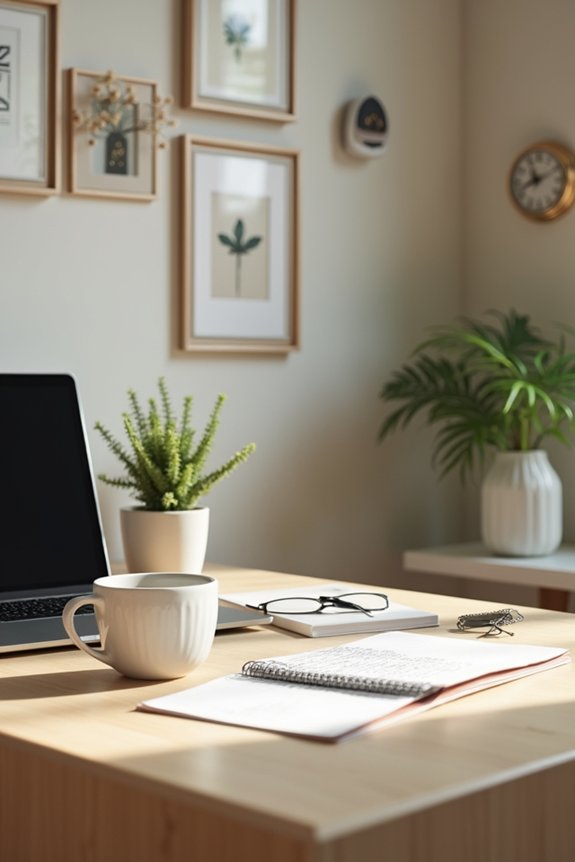
Where exactly does the IRS draw the line between what you love and what actually counts as a business write-off?
I’ve learned this distinction matters more than you’d think. The IRS cares about one thing: does your decor serve your business, or just your personal taste?
Here’s what separates deductible from non-deductible:
- Business use only – A painting in your waiting room? Deductible. That same painting in your bedroom? Not deductible.
- Professional function – Decor supporting client interactions qualifies. Personal enjoyment doesn’t.
- Documentation proof – Keep receipts showing how each item supports your business operations, not aesthetics.
- Dedicated space – Home office decor works only for actual work areas, never living spaces.
The key is linking everything directly to business purpose. That’s how you stay on the IRS’s good side.
Keeping Records for Your Office Decoration Deductions
The moment you buy that desk lamp or office plant, you’ve got to start thinking like an accountant—and I mean that literally. I learned this the hard way when I couldn’t find receipts for my office-deductions and lost thousands in claimed expenses.
Here’s what works: keep every receipt, invoice, and photo. Document how each item serves your business—that ergonomic chair supports client meetings, the desk organizer boosts productivity. For mixed-use asset deductions, track the percentage of business versus personal use. If your home office is 40% of your space, you can deduct 40% of those expenses.
I photograph everything with dates and notes about purpose. This record-keeping habit improved my audit confidence. Start treating your receipts seriously, because your business depends on it.
Office Decoration Mistakes That Get Deductions Denied
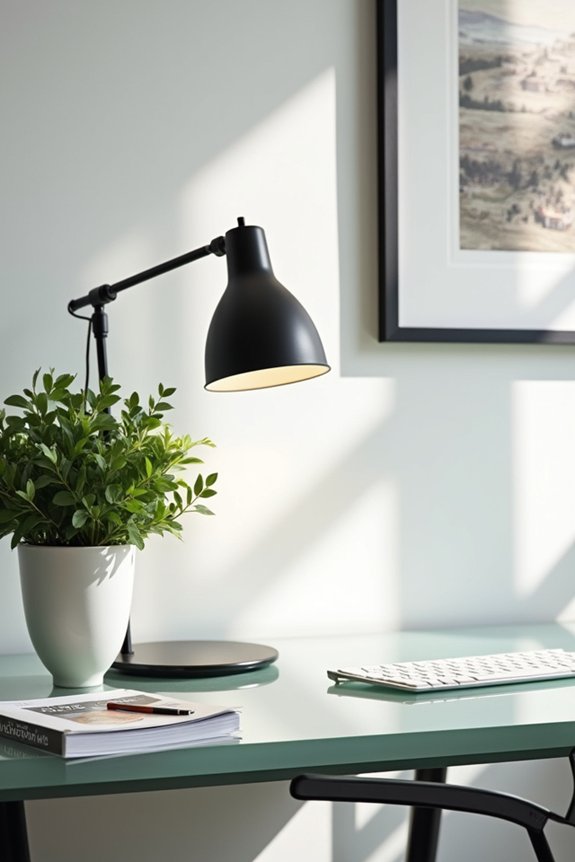
Now that you’ve got your receipts organized and documented, here’s where many people stumble: they claim deductions for office decorations that the IRS simply won’t allow.
I’ve seen this mistake derail countless deductions. Here’s what trips people up:
- Treating art as investments – Paintings or sculptures you buy hoping they’ll appreciate aren’t deductible, even in your office.
- Claiming purely aesthetic decor – That expensive abstract painting? If it’s only decorative, it won’t qualify for business use deductions.
- Mixing personal and business purposes – A rug you love at home and occasionally use in your office? Only the business portion counts, and proving it’s complicated.
- Skipping documentation of function – You must clearly explain how your decor directly supports your work, not just improves the appearance of the space.
Stay focused on decor serving genuine business purposes.
Getting Bigger Deductions From Bulk Buys
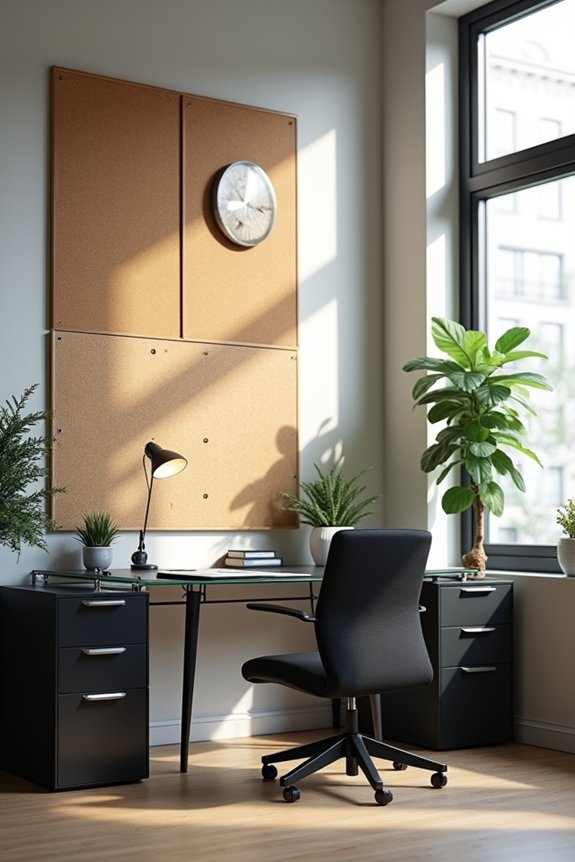
How’s your office looking these days? I’ve found that buying decor in bulk really maximizes my tax deductions. When I purchased ten wall art pieces and several large rugs together, I qualified for Section 179 benefits, which let me deduct the entire amount upfront instead of spreading it across years.
Here’s what matters: all those office expenses must be for genuine business use. I kept detailed receipts showing each item’s purpose. The 2025 Section 179 limit sits at $2,500,000, so most of us have plenty of room.
I learned that grouping purchases strategically works better than buying individually. If your bulk buy exceeds your income that year, don’t worry—carryover provisions let you use leftover deductions later. It’s one of my preferred tax strategies.
How to Claim Your Decoration Deductions
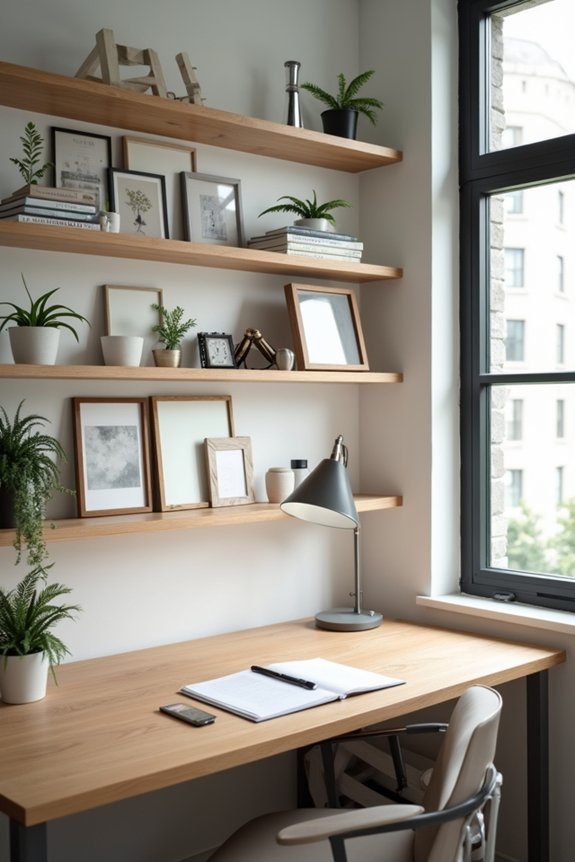
Once you’ve made your bulk purchases, you’ll want to know exactly how to claim those decorations on your taxes—and it’s simpler than you’d think if you stay organized.
- Keep detailed receipts for every decor item, including dates and business purpose
- Document each piece’s function—whether it’s client-facing or workspace enhancement for your home office
- Calculate your business-use percentage if decorating a shared space, then deduct proportionally
- Choose your method: Section 179 for immediate write-offs or depreciation for spreading costs across years
I’ve found that snapping photos of items in place helps during audits. Write brief notes on receipts explaining how wall art or lighting serves your business. This documentation converts casual purchases into legitimate deductions you can confidently defend.